
For many men undergoing treatment for prostate cancer, hot flashes can be an unexpected and disruptive side effect.
New research involving Spartanburg Regional Healthcare System's Gibbs Cancer Center & Research Institute is helping identify a potential way to provide relief.
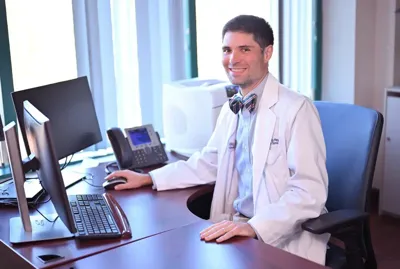
Gibbs Cancer Center's Dr. Michael Humeniuk and the oncology research team collaborated with 14 other institutions across the country to advance care for men undergoing prostate cancer treatment.
Patients with prostate cancer who receive androgen deprivation therapy (ADT) for treatment often experience hot flashes as a side effect. Dr. Humeniuk and his team recently contributed to a clinical trial published in the Journal of Clinical Oncology to test if the prescription medication oxybutynin could improve these hot flash symptoms.
The results of this trial, which enrolled 88 patients, showed that patients with prostate cancer had a significant reduction in hot flashes when treated with oxybutynin.
Hot flashes associated with prostate cancer therapy can affect patients both physically and emotionally, disrupting sleep, causing discomfort and impacting overall quality of life. While treatment is often focused on controlling cancer, addressing side effects plays a critical role in helping patients maintain their daily routines and well-being throughout their cancer journey.
The contribution from patients to this research reflects Gibbs Cancer Center’s ongoing commitment to collaborating with patients and advancing cancer care.
"This pivotal study represents an important advancement in prostate cancer, survivorship care and side-effect management, reflecting our continued commitment to improving cancer care through research and collaboration," said Dr. Amy Curtis, Gibbs Cancer Center's medical director.
"Working collaboratively helps us speed up scientific advances and deliver the best care for our patients," Dr. Curtis said.
Through participation in clinical trials, Gibbs Cancer Center gives patients access to innovative therapies and supportive care approaches that may not yet be widely available. Researchers also gain valuable insights that can shape future standards of care and improve outcomes for patients facing cancer diagnoses across the country.
Clinical trials give patients access to promising new approaches while helping researchers identify better ways to prevent, diagnose and treat disease. Through ongoing participation in national research efforts, Gibbs Cancer Center continues to help advance cancer care for patients in the Upstate and beyond.
For patients and families facing a cancer diagnosis, access to research opportunities close to home can provide additional options and hope.
Find out more about local clinical trials here.