

As temperatures rise and families spend more time outdoors, summer brings opportunities for fun—but also an increased risk of injury.
The period between Memorial Day and Labor Day is often called the “100 deadliest days of summer” because unintentional injuries among children increase significantly during these months. Officials with the Spartanburg Regional Healthcare System are providing families with practical steps to stay safe throughout the season.
Each year in the U.S., thousands of children are injured or killed in preventable incidents. Statistics from 2023–2024 show:
41% of fatal unintentional injuries among children occurred during the summer months.
Children ages 1–4 are especially vulnerable, with injury rates nearly 1.8 times higher in summer months compared to the rest of the year.
The top causes of these injuries include motor vehicle crashes, drowning, pedestrian incidents and environmental hazards—many of which are preventable with simple precautions.
“It also leads to more 'summer vibes' and 'party times' which increases alcohol and substance use. Children not being in their school routine have more free time, spend more unsupervised time together and have more ‘Hey, watch this’ moments,” T.J. Mack, Spartanburg Regional’s trauma clinical research and education coordinator, said. “The internet and social media have really increased the sharing of these moments, many of which do not end well.”
Here are several primary summer safety tips for families:
1. Stay Safe on the Road
With more people on the road, motor vehicle-related injuries are a leading cause of harm during summer.
Buckle up every ride, every time.
Use the correct car seat or booster seat based on your child’s age and size.
Never leave a child alone in a car — even for a moment.
“While on vacation, we adults tend to want to let our hair down and relax a little, but the truth is, for many of us, we are stepping away from the comfort of our home and community,” Mack said. “We are going to an unfamiliar place where we know less but are expected to do more. This is why my family calls them Adventures instead of Vacations.”
2. Practice Water Safety
With pools, lakes and beaches in full use, drowning risks increase significantly — especially for younger children.
Always supervise children closely and keep them within arm’s reach.
Enroll children in swimming lessons and learn CPR.
Use U.S. Coast Guard-approved life jackets for water activities.
Install four-sided fencing around home pools.
Wear appropriate colored swim wear.
Neon yellow, lime green, and bright orange are best.
Avoid light blues, whites, grays, black and deep navy blue. These colors are difficult to see when someone is under water and can make rescue more difficult if an incident occurs.
Have a “water watcher.”
Leave the phone out of sight and enjoy the sights around you.
Watch the kids play, listen to them laugh, and join in when you can.
3. Be Alert as Pedestrians and Cyclists
More outdoor activity means more interaction with traffic.
Teach children to look left, right, and left again before crossing.
Use sidewalks and crosswalks whenever possible.
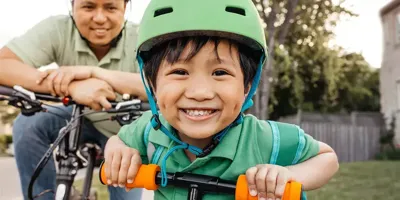
Ensure kids wear properly fitted helmets when biking or skating.
Encourage visibility with bright clothing and reflectors.
4. Protect Against Heat and Environmental Hazards
Summer heat and outdoor conditions can quickly become dangerous.
Stay hydrated and take frequent breaks from the heat.
Apply broad-spectrum sunscreen (SPF 30 or higher).
Keep children away from hot surfaces and cooking areas.
Monitor weather conditions and avoid outdoor activities during extreme heat.
5. Create a Safer Home Environment
Many injuries happen at home, even during summer months.
Install and maintain smoke and carbon monoxide alarms.
Store medications, cleaning products and harmful items out of reach.
Use window guards and stair gates to prevent falls.
Keep emergency numbers, including Poison Help (1-800-222-1222), easily accessible.
“The best way to stay safe this summer, and every day going forward, is to be present. Be Present. Limit distractions. Move with intention, purpose and continue to be aware of where you are and what is happening around you. Put your phone down. Disconnect from Wi-Fi and connect with people, with nature and the ability to take that next breath,” Mack said.