

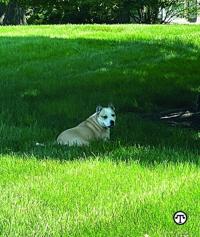

TurfMutt Foundation Highlights How Well-Cared-For Green Spaces Cool, Clean and Protect Communities
(NAPSI)—Summer brings challenges homeowners and communities often dread: scorching heat, dusty conditions, sudden and heavy storms, and in some regions, increased wildfire risk. According to the TurfMutt Foundation, properly managed landscapes are one of the most effective—and often overlooked—tools for addressing these seasonal concerns.
“People often think of parks, yards and other green space as merely decorative, but they are one of the hardest-working assets in our communities,” says Kris Kiser, President and CEO of the TurfMutt Foundation. “They help communities stay cooler, cleaner and more resilient throughout the summer months. That’s a pretty impressive return from something some may take for granted.”
Here are 4 key benefits that our parks, backyards, schoolyards and other managed green spaces do for us.
Cool the Air
Trees, shrubs, turfgrass and other plants combat the urban heat island effect through shade and evapotranspiration, the process by which plants release water vapor into the air. This natural cooling effect provides relief from summer heat and cools homes, businesses, and neighborhoods.
Capture and Filter Stormwater
Summer storms can deliver large amounts of rain unexpectedly and quickly. Healthy, managed landscapes act as living sponges, slowing rainfall’s effects by capturing and filtering water before it enters streams, rivers and groundwater supplies. This also reduces runoff and erosion and helps with localized flooding.
Capture Dust and Particulate Matter
Landscapes help improve air quality by trapping dust, pollen and particulate matter that would otherwise circulate during dry summer conditions.
Reduce Fire Risk
In areas vulnerable to wildfire, properly maintained landscapes can serve as effective fire breaks, and strategic landscape design and ongoing maintenance can create defensible space around homes and businesses. Regular mowing, pruning, irrigation and removal of dead vegetation reduces the fuel for fire and helps reduce its spread.
“Also never forget the important benefit of actively growing trees, shrubs and turfgrass capturing carbon dioxide and producing oxygen,” adds Kiser. “Healthy green spaces also support pollinators, wildlife and overall ecosystem health.”
The TurfMutt Foundation encourages homeowners, businesses and communities to properly care for and maintain their green spaces so they can continue delivering these important environmental and quality-of-life benefits throughout the summer and beyond.
For more information about the benefits of managed landscapes and outdoor living, visit TurfMutt.com.
Word Count: 357
 "“People often think of parks, yards and other green space as merely decorative, but they are one of the hardest-working assets in our communities,” says Kris Kiser, President and CEO of the TurfMutt Foundation."