

(StatePoint) Many people live longer and with better quality today because of the medications they take. But medications can also be dangerous if not taken correctly. That’s especially true for older adults, according to experts.
Grant Tarbox, a senior executive medical director at HealthSpring, said the following are some issues older adults could face with their medications, along with some important safeguards.
Adverse drug interactions. According to research published in JAMA Internal Medicine, about four out of every 10 older adults take five or more medications, which has tripled from two decades ago. Two of every 10 seniors take 10 or more prescription drugs. Taking so many prescriptions can lead to adverse drug reactions or even unintentional overdose.
Safeguard: Meet with a doctor or pharmacist to ensure all your prescriptions are clinically necessary. When reviewing your medicines, make sure to include any over-the-counter medications or herbal supplements you’re taking.
Neglecting needed prescriptions. When you take multiple medications, tracking them all can be difficult. Your doctor has prescribed your drugs for a reason and it’s important to take them as prescribed, particularly maintenance medications, such as blood pressure or cholesterol drugs.
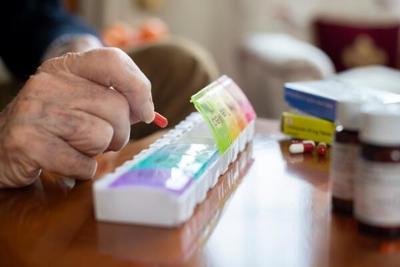
Safeguard: If you are having trouble remembering to take your prescriptions, a pill box or digital reminder could help. If cost is an issue, there are prescription drug plans and patient assistance programs available to help.
Taking potentially risky drugs. As you get older, your body may process medications differently. As a result, some drug classes, such as benzodiazepines, certain antidepressants and some NSAIDs, may pose risks that outweigh their benefits. One potential risk, for instance, is the risk of a dangerous fall.
Safeguard: Talk to your doctor or pharmacist about identifying appropriate prescriptions for you, given your age. Options could include a lower dosage or shorter prescription duration. Of course, it’s also always a good idea to fall-proof your home.
Navigating changing care settings. Adverse drug events often occur following hospitalization. Many of these events could be avoided.
Safeguard: Always meet with your doctor or pharmacist shortly after a hospital discharge to conduct a “medication reconciliation” in which any newly prescribed medications are reconciled with existing prescriptions. This will help prevent medication errors, such as omissions, duplications, dosing errors or drug interactions.
A final note: Even if you have a trusted physician leading your care team, it’s important to educate yourself. If you don’t understand your medication regimen, ask questions. If you are having side effects, tell your doctor about them. Also, bring a friend or family member to your appointments to help you remember key instructions.
“We are fortunate to live in a time when we have a multitude of medications available to help us live healthier lives by controlling our blood sugar, lowering our blood pressure or curing infections,” Tarbox said. “However, it’s important we stay engaged with our prescriptions and don’t lose sight of any potential risk factors.”
The information contained in this article is not intended to be a substitute for professional medical advice, diagnosis, or treatment. Always seek the advice of your physician or other qualified health care provider with any questions you may have regarding a medical condition or treatment and before undertaking a new health care regimen.
HealthSpring products and services are provided exclusively by or through operating subsidiaries of Health Care Service Corporation, a Mutual Legal Reserve Company. ©2026 Health Care Service Corporation. All Rights Reserved.
*****
*****
Photo Credit: (c) Daisy-Daisy / iStock via Getty Images Plus